


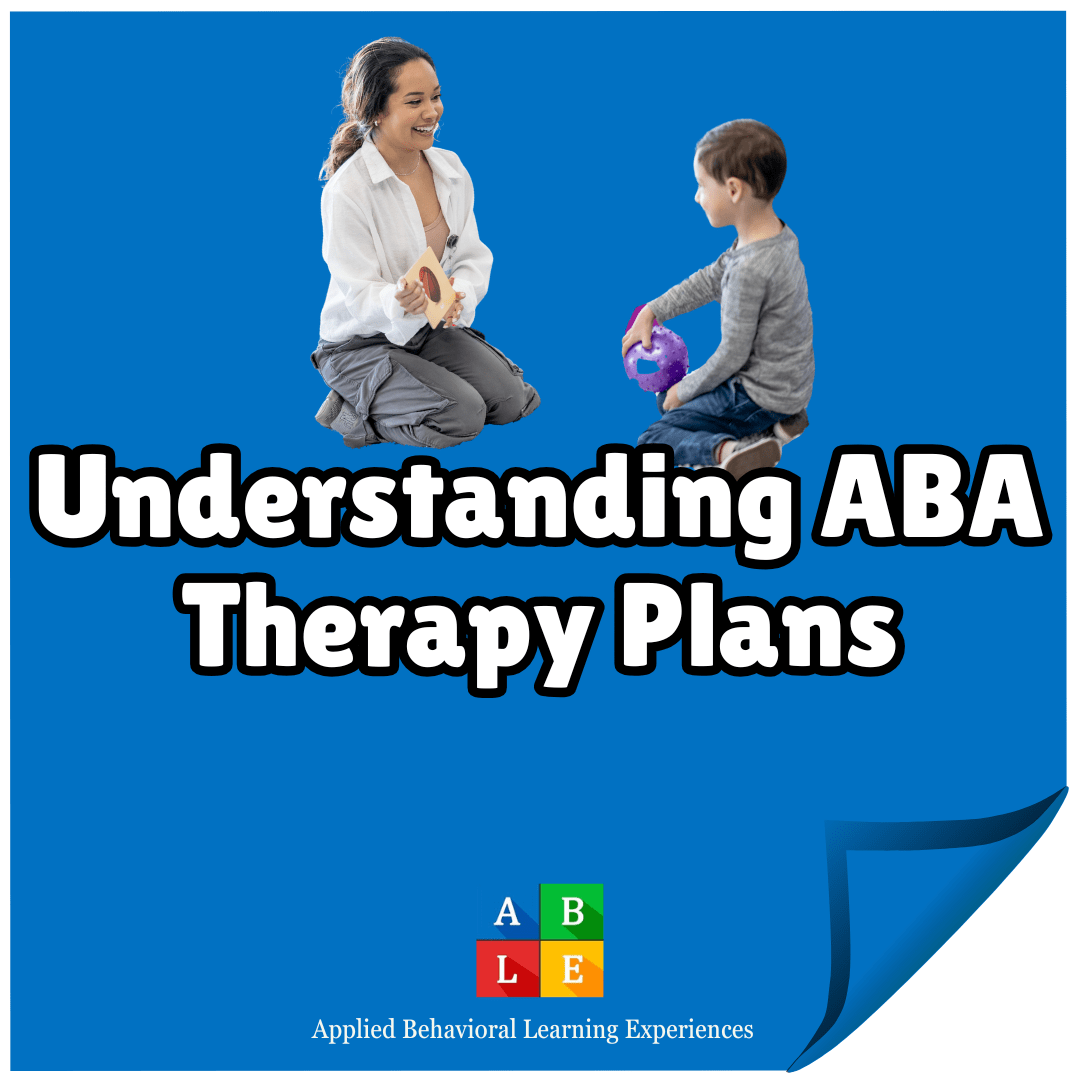
Understanding Your Child’s ABA Therapy Plan at an Early Age for Kids with Autism
Receiving an ABA therapy plan for your child can feel both exciting and overwhelming. As a parent, you want to understand every detail and know how it will help your child grow. You may see goals, objectives, and terms that are unfamiliar, leaving you with questions about what they all mean.
The good news is that an ABA therapy plan is designed specifically for your child. No two therapy plans are exactly alike because every child with autism has unique strengths, challenges, and learning styles. At ABLE, we provide ABA therapy for children with autism in Lakeland, Tampa, Brandon, Clearwater, and Plant City, creating individualized treatment plans that help children develop meaningful skills starting at the early age of 2 years.
What Is an ABA Therapy Plan?
An ABA therapy plan is a personalized roadmap that guides your child’s therapy journey. It is developed after a comprehensive assessment by a Board Certified Behavior Analyst (BCBA) and focuses on helping your child achieve goals that are meaningful for everyday life.
Rather than using a one-size-fits-all approach, the therapy plan is built around your child’s current abilities and developmental needs. As your child learns and grows, the plan is regularly updated to reflect new goals and celebrate progress.
The purpose of the plan is simple: to help your child become more independent, confident, and successful at home, in the community, and eventually in school.
What Goals Are Included in an ABA Therapy Plan?
Every therapy plan is different, but most include goals in several important developmental areas.
- Communication Skills
Communication is often one of the first priorities in early intervention ABA therapy. Goals may focus on helping your child:
-
- Request items or activities
- Answer simple questions
- Follow directions
- Improve verbal language
- Use alternative communication methods when appropriate
Building communication skills helps children express their wants, needs, and feelings while reducing frustration.
- Social Skills
Young children learn many important social skills before they enter preschool or kindergarten. An ABA therapy plan may include goals such as:
-
- Making eye contact
- Taking turns during play
- Sharing toys
- Playing alongside peers
- Greeting others
- Understanding emotions
These skills help children build friendships and become more comfortable in group settings.
- Daily Living Skills
Learning everyday routines helps children become more independent. Depending on your child’s age, therapy goals may include:
-
- Washing hands
- Brushing teeth
- Getting dressed
- Toilet training
- Cleaning up toys
- Following simple routines
These are skills children will use throughout their lives.
- Behavior and Emotional Regulation
Behavior is another important part of an ABA therapy plan. Therapists work to understand why certain behaviors occur and teach children more appropriate ways to communicate their needs.
Goals may focus on:
-
- Managing transitions
- Increasing attention during activities
- Reducing frustration
- Learning coping strategies
- Building patience and flexibility
The goal is always to teach positive replacement skills rather than simply stopping behaviors.
How Progress Is Measured
One of the greatest strengths of ABA therapy is that progress is measured consistently. During every session, therapists collect data to monitor how your child is learning.
This allows your BCBA to: adjust goals when needed, celebrate milestones, introduce new skills, and ensure therapy continues to meet your child’s needs
Parents receive regular updates and are encouraged to ask questions throughout the process.
Your Role as a Parent
Parents are one of the most important members of the therapy team.
Your child’s progress is strongest when the skills learned during therapy continue at home. Therapists will often provide strategies, coaching, and recommendations that fit naturally into your family’s daily routines.
Simple activities like reading together, playing games, preparing meals, or practicing bedtime routines can reinforce the skills your child is learning during therapy.
At ABLE, we believe parent collaboration is essential to long-term success.
Why Starting Early Intervention Makes a Difference
Beginning ABA therapy during the toddler and preschool years gives children the opportunity to build foundational skills before entering school. Early intervention helps children strengthen communication, social interaction, independence, and learning readiness during one of the most important periods of brain development.
ABA Therapy in Lakeland, Tampa, Brandon, Clearwater, and Plant City
At ABLE, we provide compassionate, individualized ABA therapy for children with autism in Lakeland, Tampa, Brandon, Clearwater, and Plant City. Every therapy plan is customized to meet each child’s unique needs while working closely with families throughout the journey.
Our goal is to help every child reach their fullest potential through meaningful learning, play-based experiences, and family-centered care.
Start Your Child’s Journey with ABLE
If your child has recently been diagnosed with autism or you’re considering ABA therapy, we’re here to help.
Click Here to fill out our intake form online today and learn how our individualized ABA therapy programs can support your child’s growth and development.
Proudly serving families in Lakeland, Tampa, Brandon, Clearwater, and Plant City call us (863) 619 2809 or email us intake@applied-behavioral.com for more info.
Together, we can build a strong foundation for your child’s future.
Related Post

Halloween Costume Recommendations for Kids with Autism: Making Dressing Up More Comfortable
Halloween is a fun and exciting time for many families, but for children with autism,

7 Autism-Friendly Halloween Activities for Young Children
Halloween can be an exciting time for young children, but for children with autism, some
There are no comments