


The 5 Most Important Skills a Child with Autism Can Learn Through Early Intervention
The first few years of a child’s life are filled with incredible opportunities for learning and development. So for children with autism, early intervention can make a meaningful difference by teaching foundational skills that support independence, communication, and confidence.
Through Applied Behavior Analysis (ABA) therapy, children learn skills that not only help them today but also prepare them for success in school, at home, and in the community.
At ABLE, we provide ABA therapy for children with autism in Lakeland, Tampa, Brandon, Clearwater, and Plant City, helping young learners build the skills they need to thrive at home, in school, and in their communities. While every therapy plan is personalized, there are several foundational skills that can have a lifelong impact.
Here are five of the most valuable skills children often develop during early intervention.
5. Learning to Follow Simple Instructions
It may seem like a small milestone, but learning to follow simple directions is an essential building block for future learning.
Skills like:
- “Come here.”
- “Sit down.”
- “Give me the toy.”
- “Let’s clean up.”
help children participate in everyday routines at home, daycare, and eventually school. Following instructions also improves safety and helps children engage more successfully in group activities.
Through ABA therapy, these skills are taught using play, repetition, and positive reinforcement, making learning both enjoyable and meaningful.
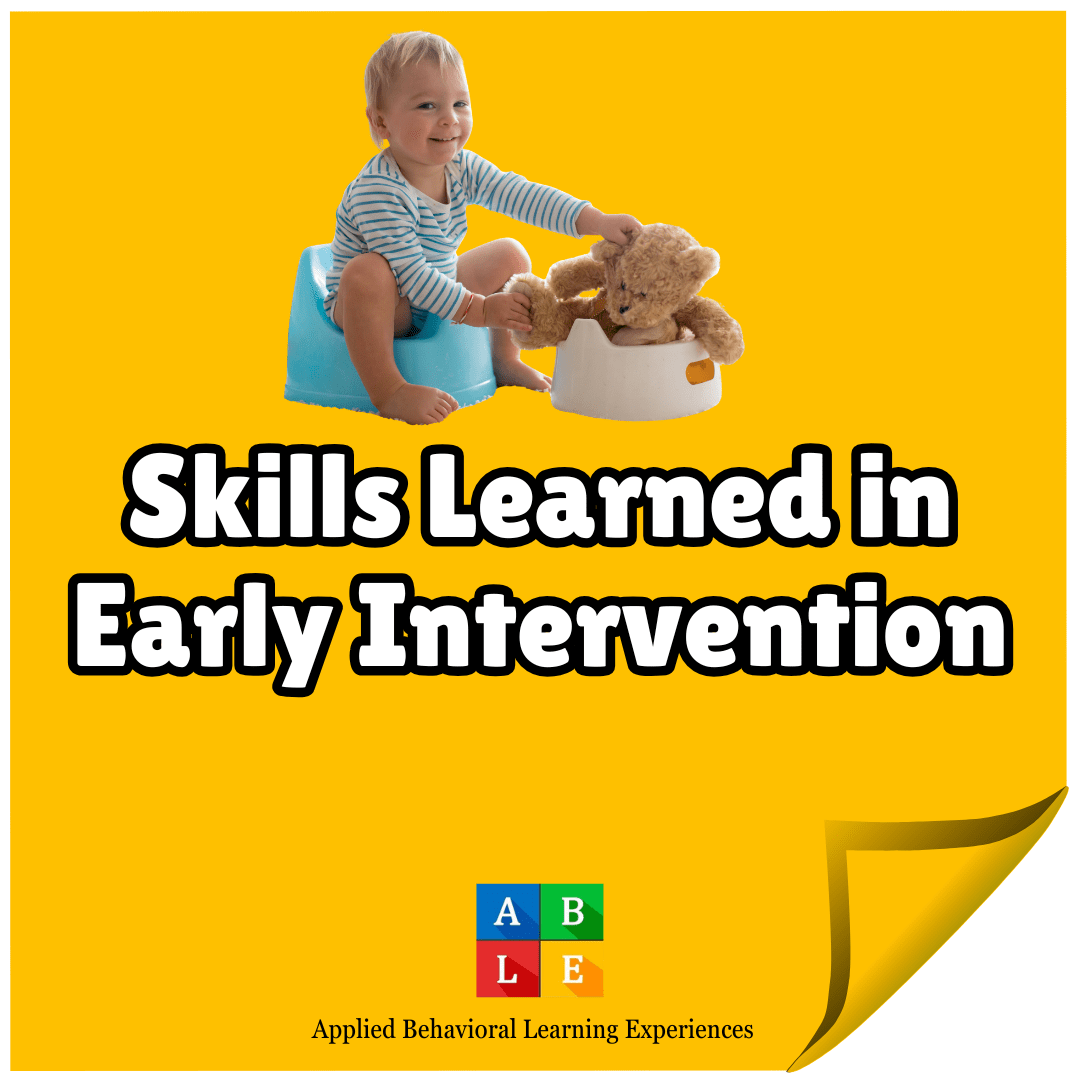
4. Potty Training and Daily Living Skills
Becoming more independent is a huge milestone for every child.
Early intervention often includes teaching self-help skills such as:
- Potty training
- Washing hands
- Brushing teeth
- Getting dressed
- Feeding themselves
- Cleaning up after playtime
These daily living skills build confidence while giving children greater independence at home and in school.
At ABLE, our therapists work closely with families so these routines can continue outside of therapy, creating consistency and long-term success.
3. Playing and Socializing with Others
Playing is much more than having fun because it is one of the primary ways young children learn.
Children with autism may need extra support learning how to:
- Share toys
- Take turns
- Play alongside peers
- Join group activities
- Understand social cues
Early intervention helps children build these social skills naturally through structured play and positive interactions. As these skills develop, children often become more comfortable making friends and participating in classroom activities.
2. Learning to Communicate Their Needs
One of the biggest sources of frustration for young children is not being able to communicate what they want or need.
Whether a child learns to speak, use gestures, sign language, picture communication, or another communication system, the goal is the same: giving them a voice.
Early intervention helps children learn to:
- Ask for help
- Request favorite toys or foods
- Express feelings
- Answer simple questions
- Make choices
- Participate in conversations
As communication improves, many challenging behaviors naturally decrease because children have new ways to express themselves.
For many families, hearing those first meaningful words or seeing their child independently communicate for the first time becomes an unforgettable milestone.
1. Building Independence and Confidence
While every individual skill is important, the greatest gift early intervention provides is confidence.
Confidence comes from learning how to communicate, complete daily routines, solve problems, interact with others, and explore the world with greater independence.
Children begin believing:
- “I can do this.”
- “I can ask for help.”
- “I can learn.”
- “I can make friends.”
These moments may seem small, but together they shape a child’s future.
At ABLE, we believe the true goal of Early Intervention ABA Therapy it’s helping children become confident, capable individuals who can reach their full potential.
Why Early Intervention Makes Such a Difference
The first few years of life are an incredible time for learning. Children’s brains are developing rapidly, making it easier to build new skills and positive habits. That’s why starting early intervention as soon as developmental concerns are identified can have such a meaningful impact.
Every milestone, whether it’s saying a first word, using the potty independently, making a new friend, or simply asking for a favorite toy, becomes another step toward a brighter future.
ABA Therapy in Lakeland, Tampa, Brandon, Clearwater, and Plant City
At ABLE, we’re proud to provide compassionate, individualized ABA therapy for children with autism in Lakeland, Tampa, Brandon, Clearwater, and Plant City. Our programs focus on meaningful, family-centered goals that help children build confidence, independence, and lifelong skills.
Every child deserves the opportunity to grow, learn, and thrive—and we’re here to support your family every step of the way.
Ready to Start Your Child’s Journey?
If your child has recently been diagnosed with autism or you’re interested in learning more about Early Intervention ABA Therapy, we’d love to help.
Click Here to Fill out our intake form today and discover how ABA therapy can help your child build the skills they’ll use for a lifetime.
The sooner you begin, the more opportunities your child has to grow with confidence.
“Every child has their own timeline, their own strengths, and their own way of shining. Early support helps them discover everything they are capable of becoming.”
Related Post

Understanding Your Child’s ABA Therapy Plan at an Early Age for Kids with Autism
Receiving an ABA therapy plan for your child can feel both exciting and overwhelming. As
9 Summer Activities for Kids with Autism to Help Them Grow and Thrive While School Is Out
Summer break is an exciting time for children, but for many families of children with
There are no comments